Table Of Content
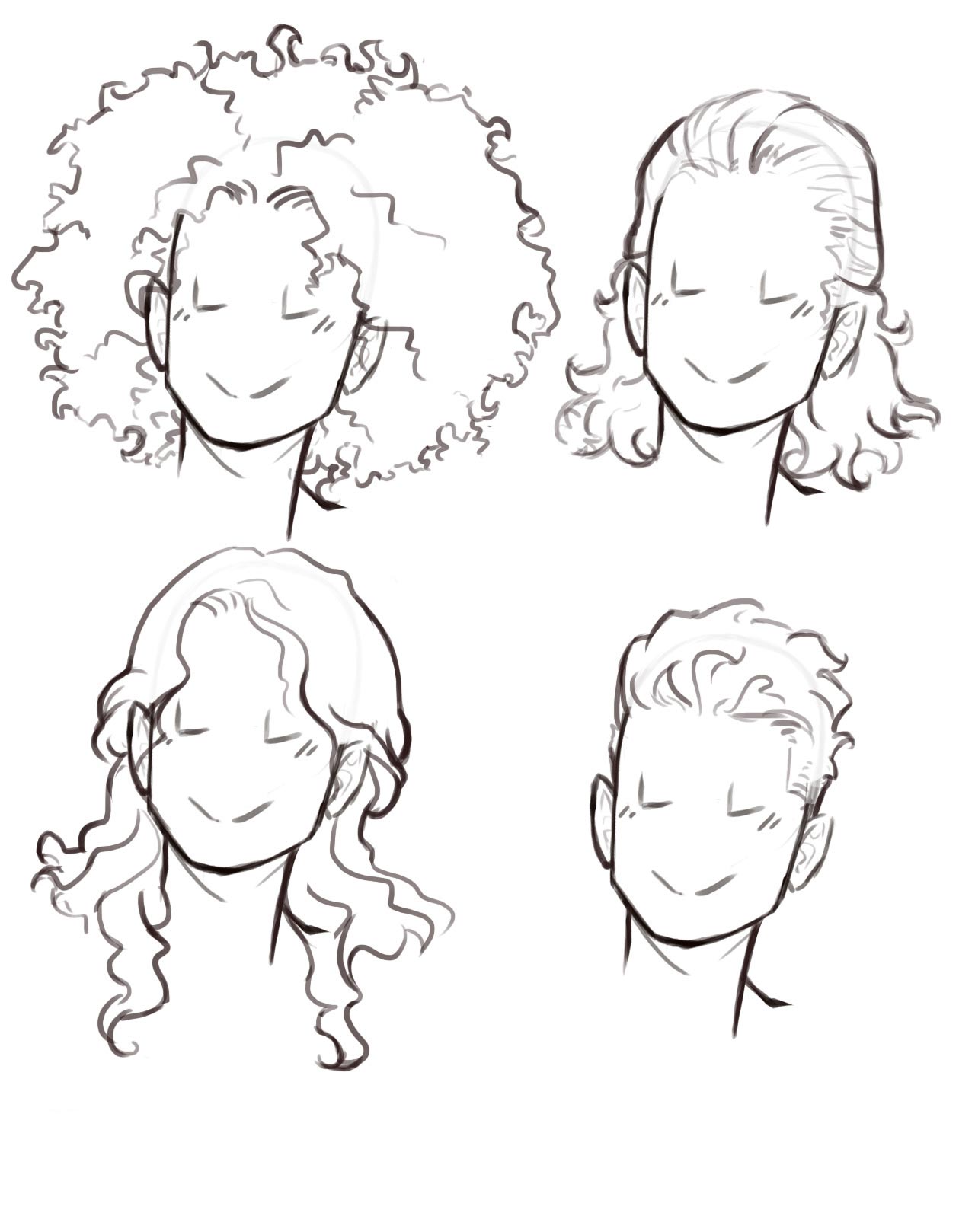
By implementing the following tips and tricks, you can elevate your artwork to new heights of authenticity and visual impact. In this comprehensive guide, we will explore the intricacies of drawing curly hair, from understanding its basic principles to mastering the techniques that bring it to life on the page. Curly hair comes in a myriad of forms, from loose waves to tight coils, each with its own distinct characteristics. Capturing the essence of curly hair on paper requires a keen understanding of its structure, movement, and volume.
Step Three: Add texture to the hair
Whether you want to know how to draw curly hair that has loose curls or curly hair that has lots of coils to it, it’s quite easy. When it comes to developing the depths of the Curly hair, contrast, hues, and highlights are all really important aspects. Before we get started first I’m going to break down some fundamental ways to draw curly hair drawing using some illustration references.
6 Things That Make Styling My Hair With One Arm Easier - Allure
6 Things That Make Styling My Hair With One Arm Easier.
Posted: Thu, 04 Aug 2022 07:00:00 GMT [source]
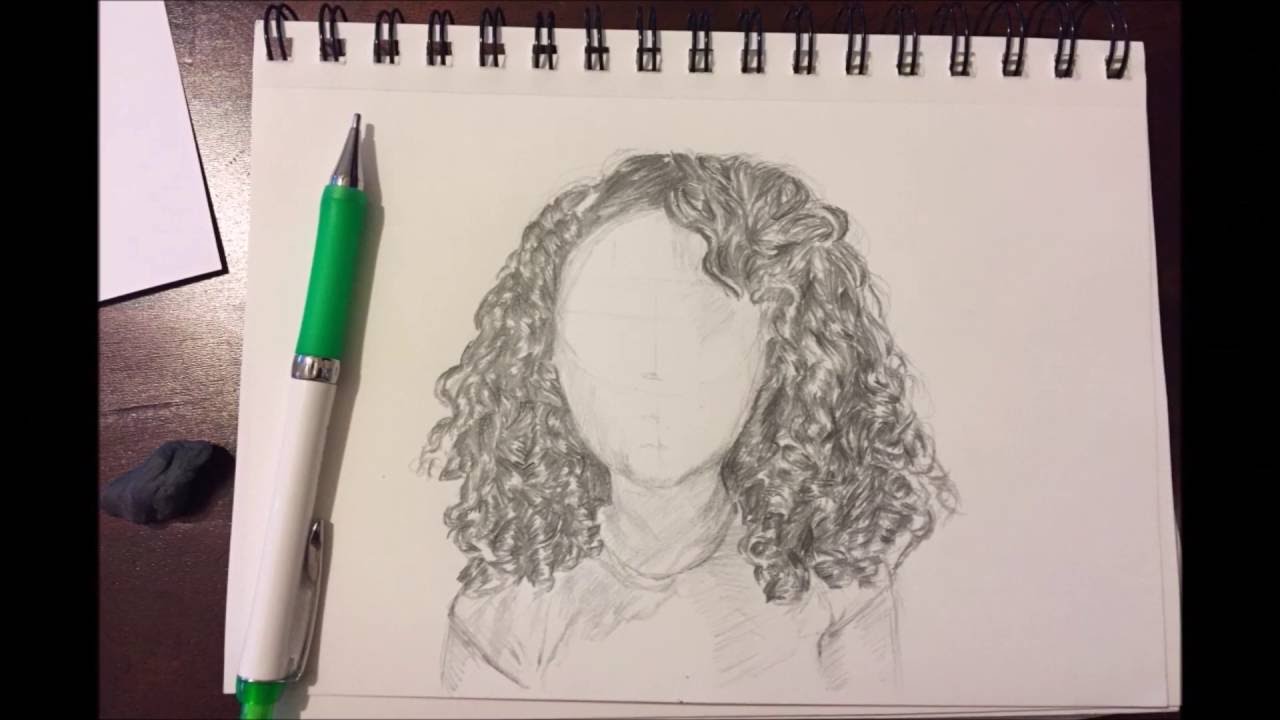
How to Draw Curly Hair Realistic with Pencil
Start to draw more careful curls falling down the right side of the face. This should be just to the right of the central line and as you bring them over and down to the left, keep inside the area lines you marked for the hair’s volume. Curly hair can be quite thick, so leave a reasonable gap between the face shape and the top of the hair to create volume so the finished picture doesn’t look too flat or two-dimensional. Depending on how chiseled you would like them to be, draw two lines for the cheeks on either side of the face to create the middle part of the structure. About a third of the way down from the top of the paper, draw a horizontal line that’s as long as you want the head to be wide, as this will create the eye level of the face. Press lightly on the pencil and connect the right side of the first diagonal line to the top of the third diagonal line leaving one between them.
How to Draw Eyelashes – A Step by Step Guide
Once you are decided use quick strokes following the direction of the hair to layout your shading leaving an asymmetric gap for the shine. There are three types of curls but the theory is similar for each. Before we start, you want to make to use the right tools for drawing. To blur it, go to adjustments and choose Gaussian Blur, slide your finger on the screen to adjust and blur the reference image. Keep switching between the two until you’re happy with how it’s looking. Take the smudge tool with a low opacity and start carefully smudging from the center toward the edges of the sections of hair that are in the front.
Even if it’s a bit different, you could still see how the texture and flow of the hair looks which you can then adapt to your drawing. Starting with the section of hair on the right, you should start to draw in lots of thin, twisty lines to give the look of hair texture. Once again as in the two previous examples apply an initial layer of strokes the define the light, medium and dark areas of the hair.
This tutorial shows how to draw female hair with three different hairstyle variations including natural looking, straight and curly hair. Each style includes step by step drawing examples and explanations. Since this is a short hairstyle, keep them closer to the shape of the head, adding just slightly more volume to the outline of the skull. Then, draw a circle on top of the head to represent the hair’s volume. This circle will help you to create the right shape for the curls. To preserve your finished curly hair drawings and prevent smudging, consider using a quality fixative spray.
Step Four: Fill in the hair with texture
Fill in some more lines near the top and around the parting with small curved arches. These aren’t full curls as they will represent hair that sits under the main curls you’ve drawn so far. Start adding curled hairs to the upper portion of the head, being careful with your pencil strokes. Create the structure of the hair by drawing guidelines that will show you where the curls will fall down the sides of the face. You don’t need to apply too much pressure to the pencil as you draw it, because these initial lines are here to create a guide for the rest of the drawing. Now you’ve nailed the basic technique of a curl, it’s time to practice different levels of tightness and density, or you can start to switch up the thickness of each strand.
Argentinian illustrator Maria Luque's intuitive approach - It's Nice That
Argentinian illustrator Maria Luque's intuitive approach.
Posted: Wed, 22 Mar 2017 07:00:00 GMT [source]
In this lesson you will learn:
When you’re deciding which hair strands are closer to you like we did on step 3, don’t choose the same side to be closer to you on all the hair strands. Continue to add wild hairs until you’re happy with how it’s looking. Keep doing this using black and white to add more and more wild hairs to make your drawing more realistic.
Adding Depth and Volume:
Let’s start by smudging the areas of hair that are closer to you. Now that you finished with all the sections that are closer to you, let’s work on the areas that are not. The side that is closer to you will be the side with more light and the other one will be in the shadows. Keep doing this until you’ve done all the sections that are in the front. These lines shouldn’t touch in the middle because there is where the light will go. Now, let’s determine which of these sections will be at the front and which in the background.
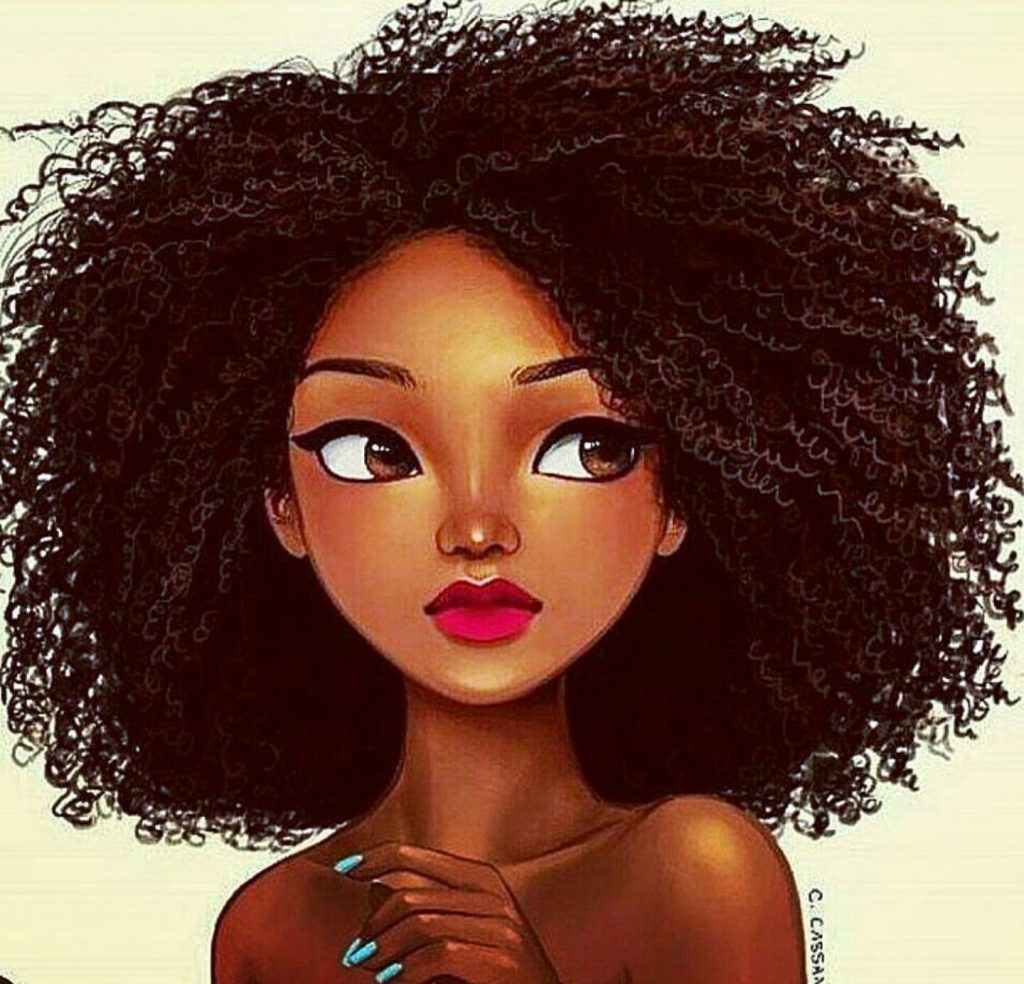
Just like the outer silhouette of the hair, the hairline could benefit from organic variations in line that further reinforce the movement and texture of the hair. Since I'd like the hair to look thick, with tight, dense curls, I'm not going to focus on individual curls here or presenting a specific pattern. As with any hair type, it's important not to draw in a haphazard fashion. Coily hair still grows outwards and still has a methodology to it. 4C hair qualities often have even denser curls; these gorgeous coils are voluminous, thick, and often have even more shrinkage. In this case, there's very little visible curl pattern (unless styled that way).
For example, I can pull one of my curls taut, and it looks a lot longer. As an example, when pulling the hair back, notice how the volume stays in the "puff" at the back. We're going to focus on Type 4 hair in this tutorial, which tends to be the most curly and coily. If you have already completed the appropriate criteria, then the Understanding of the Curl direction will be helpful to you.
There are a variety of approaches to hairstyles to draw to understanding how to draw curly hair on a boy step by step by following its component lines and shades. The most important step is mastering the technique to produce the curls, which you will then repeat until you have covered the entire head by drawing curly hair realistic with pencil. Another good tip for when you’re learning to draw curly hair is to change the direction, the thickness and length of the hair strands.



No comments:
Post a Comment